
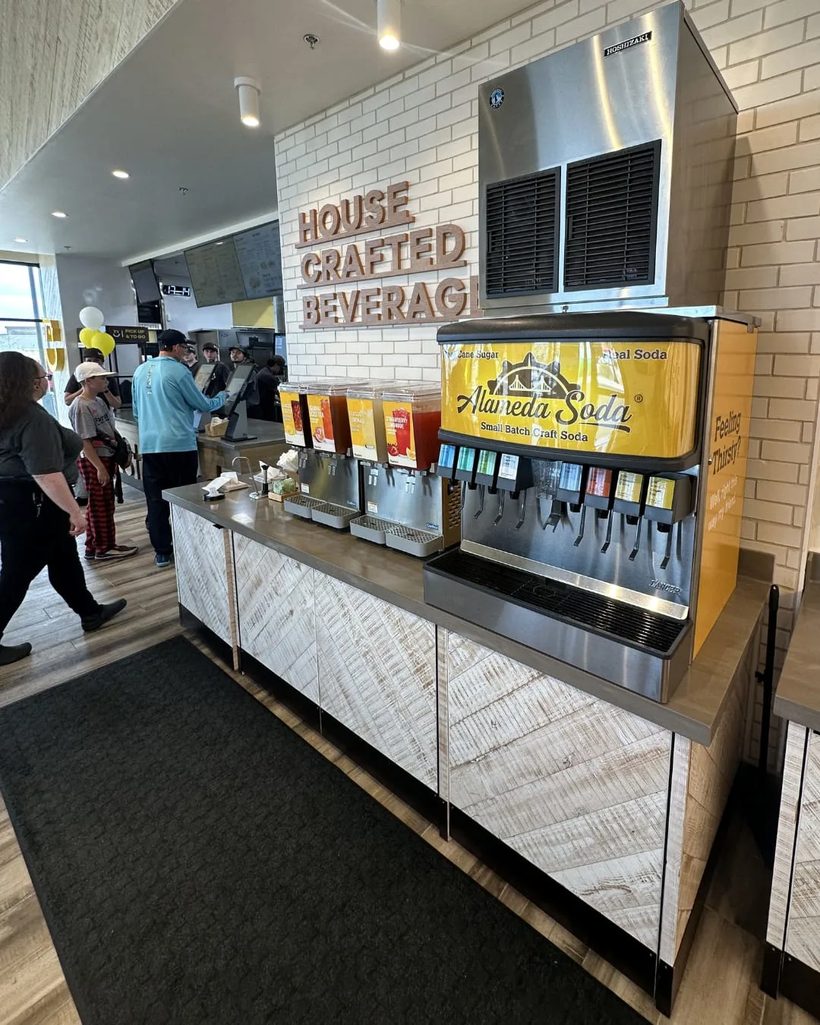
Fountain Dispenser Troubleshooting (Foaming, Temperature & Taste)
This guide goes deeper than the quick-fix soda machine guide: it covers the diagnosis behind the two complaints that generate the most fountain service calls — foamy pours and off tastes — plus the temperature and air issues that cause them. For flat soda, syrup problems, and leaks, start with the soda machine troubleshooting guide.
If a step calls for adjusting a regulator or opening equipment and you are not trained on it, stop and submit a service request instead — an incorrect pressure setting can turn one problem into two.
Why fountain drinks foam: the three real causes
Almost all foaming comes down to one of three things:
- The drink is too warm. Carbonated water only holds its fizz when cold —
the quality standard is a finished drink at 32–40°F without ice; warmer than that and it foams and goes flat. Cold is the single biggest factor.
- CO₂ pressure is set too high for the system. Over-pressurized soda
water releases its excess gas as foam the instant it hits the cup. (Too low and you get the opposite problem — flat soda.)
- Air in the lines. Air gets pulled in when a BIB runs empty, when a
connector does not seal, or after line work. Air pockets sputter and foam out at the nozzle.
Work the checks below in order — temperature first, then air, then pressure.
Check 1 — Temperature
- Feel the pour. If the drink is not properly cold, foam is expected.
- Ice-cooled machines (cold plate): the drink is chilled by ice sitting
on a metal plate in the ice bin — carbonated water must pass over that plate to get cold. Keep the bin at least a third full with ice in full contact with the plate, stir the ice periodically, and break chunks into small cubes — an ice bridge (ice melted and refrozen into a dome with an air gap underneath) insulates the plate and warms every pour. Only ice goes in the bin, and it should drain properly.
- Refrigerated/remote-chiller machines: confirm the unit is powered and
its condenser vents are not blocked or caked in dust. If the machine cannot hold temperature, that is a service visit.
- First pours of the day foam more because the lines warmed overnight.
Pour off a few ounces per valve at open.
Check 2 — Air in the lines
- Did a syrup box run dry recently? An empty BIB pulls air into the syrup
line. Swap the box, then draw on that valve until the sputtering stops and the pour runs smooth.
- Check connectors are fully seated on every BIB — a half-clicked
connector leaks air into the line even with syrup in the box.
- After any line or plumbing work, expect a few foamy pours while trapped
air clears.
Check 3 — CO₂ pressure
- Read the regulator gauges with the cylinder valve open. Your system's
correct settings are marked or documented on the equipment — compare against those, not a generic number.
- Symptoms line up like this: foaming with good cold product suggests
pressure set too high; flat soda suggests too low or an empty cylinder.
- Do not chase foam by cranking pressure up or down without knowing the
target — if the gauge disagrees with the marked setting, or drifts on its own, the regulator needs service. File a request rather than adjusting blind.
Off tastes (metallic, sour, musty, or "yesterday's flavor")
- Dirty nozzles and diffusers are the top cause — syrup residue ferments
and sours. Remove, soak, and rinse them nightly (see the preventive maintenance guide).
- A flavor lingering on the wrong valve usually means the nozzle needs a
soak, not that lines are crossed.
- Musty or moldy notes point to a missed cleaning cycle in the nozzles,
diffusers, or ice bin. Deep-clean; if the taste persists, request a line sanitation service visit.
- Chemical or chlorine tastes can come from the water supply or a
filter due for replacement — note when it started and file a service request; mention if anything changed with the building's water.
- Metallic or odd carbonation taste with correct cleaning can indicate a
carbonator or water-filter issue — that is a technician item.
Slow or dribbling pours
- Check the water and syrup supply — a pinched line or a closing valve
upstream slows the pour.
- Rinse the nozzle and diffuser — buildup narrows the flow path.
- If one valve stays slow after cleaning, its internal flow control needs
service; if all valves are slow, suspect the water supply or filter.
When to call for service
Submit a service request when: foaming persists after cold product, seated connectors, and confirmed pressure; the machine cannot keep drinks cold; the regulator will not hold its marked setting; off tastes survive a full deep-clean; or any fix requires tools, opening the machine, or adjusting settings you are not trained on. Describe the symptom, which valves are affected, and what you already tried.
Still not pouring right?
Our technicians cover the whole Bay Area — most service calls are handled within 24–48 hours.